 Think Hire
Call Now 0330 133 2222
Search



Battery energy storage for a UK wind farm: 55.9 tonnes of CO2 avoided and 86% less fuel
The challenge: a turbine with no grid still needs power
Until a wind farm is commissioned and connected, there's no mains power on site. The turbines still need it. Once the blades are fitted, a turbine has to keep facing into the wind, so its yaw motors can switch on at any time, and a hydraulic pump runs around the clock to keep the system pressurised. Testing and commissioning add more and longer motor activity.
Wind farm projects need a temporary power supply through construction, preservation, and testing and commissioning. Think Hire's hybrid systems are built to support them. A standard generator running constantly is inefficient here: the average load is low, but the turbine needs high peak power on demand. This customer wanted a more sustainable, cost-effective solution that cut emissions and noise without slowing the site down.
The solution: battery storage takes the load, the generators step back
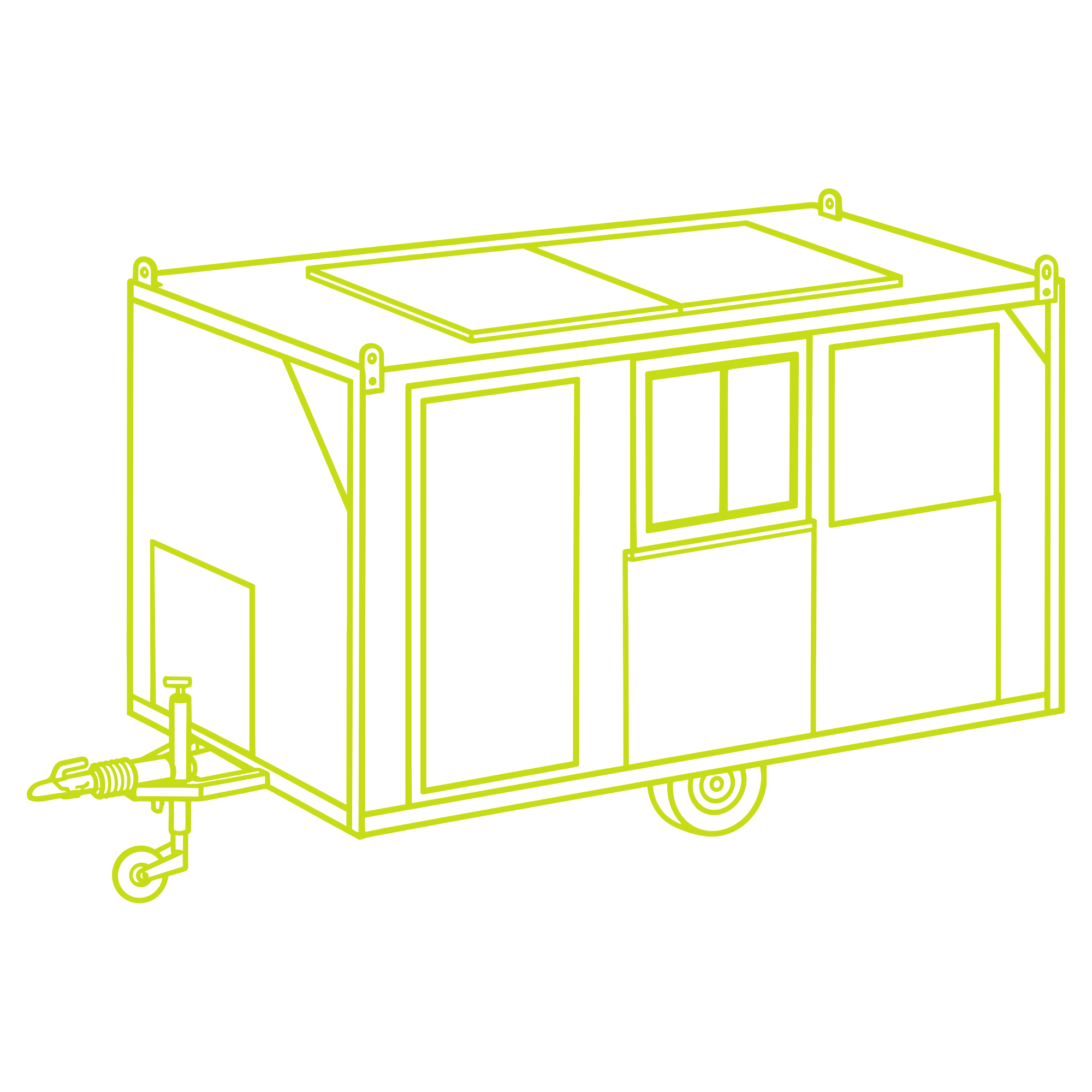
Think Hire installed eight SiteGrid X45 battery energy storage systems (BESS) on a UK wind farm, with backup generators on site as part of a hybrid setup. The battery storage covers the load, so the hybrid generators run for a fraction of the time: between 4% and 26% of each unit's period. Think Hire monitors and manages the units remotely through Think Energy Panorama and reports all stats, including fuel, runtime and carbon, to the customer.
The results: 55.9 tonnes of CO2 avoided and 86% less fuel used
Across all eight units in March 2025, fuel consumption fell by 86% and operating cost, including hire and fuel, fell by 59%. Less generator runtime means less noise, and noise pollution fell by 86%. About 55.9 tonnes of CO2 emissions were avoided.
The best thing is that the site didn't have to change how it worked to get these results; it started getting its power at a fraction of the cost, sustainably, without expensive adjustments.
 55.9 Tonnes CO2 Emissions Reduced
 59% Operating Cost Reduced
 86% Noise Pollution Reduced
 86% Fuel Consumption Reduced