
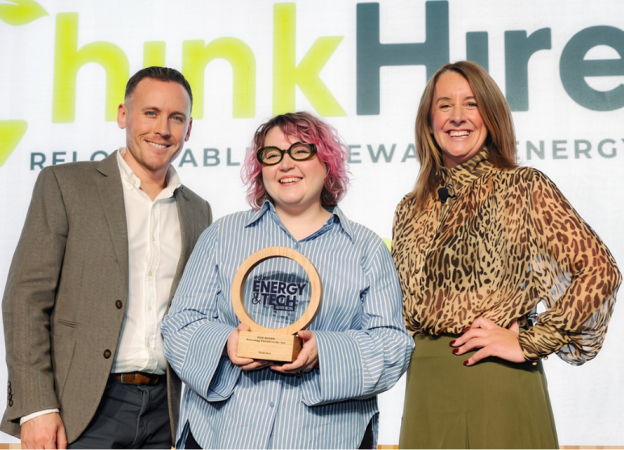
Think Hire named Technology Provider of the Year
19 Oct, 2026
 Think Hire
Call Now 0330 133 2222
Search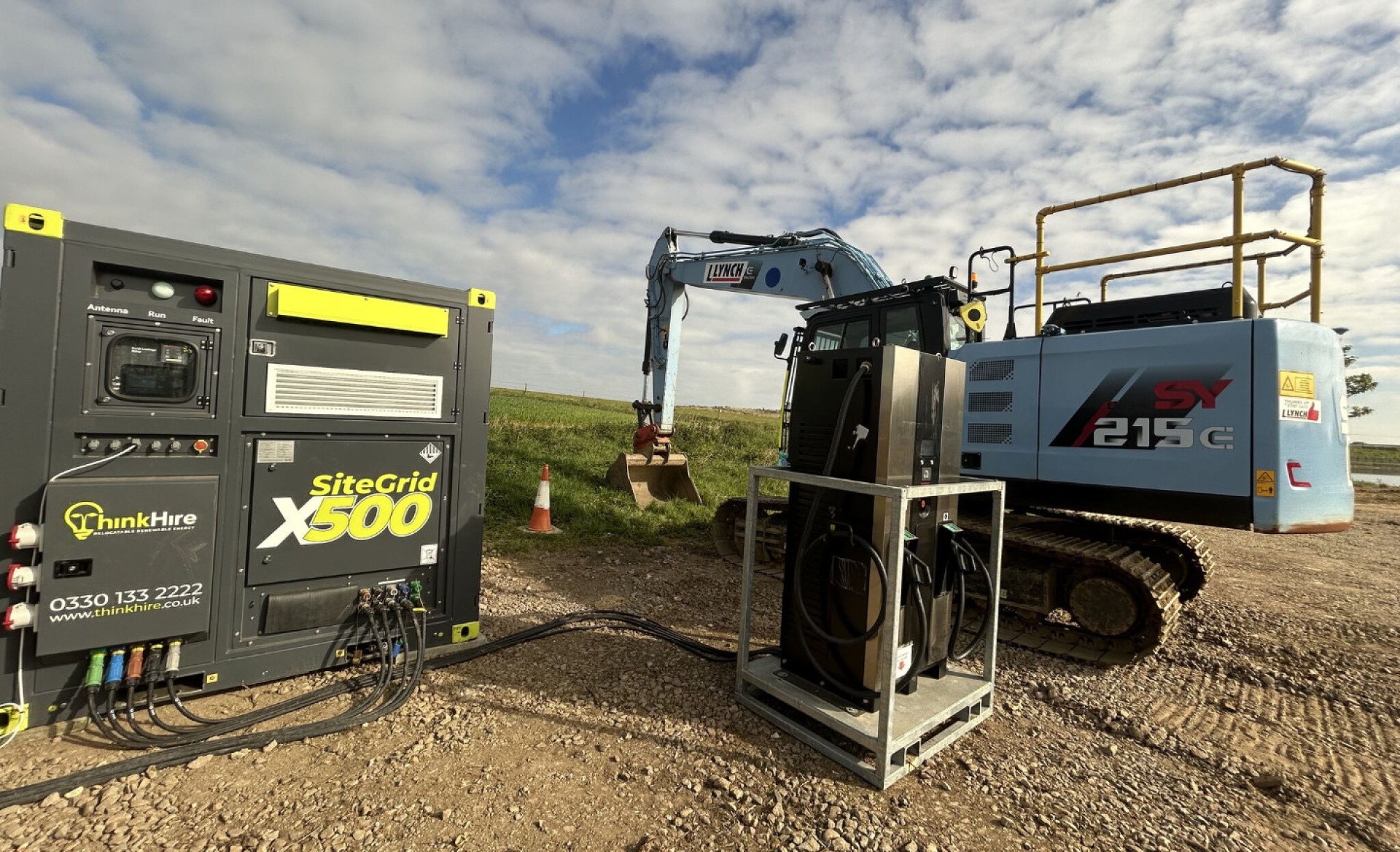
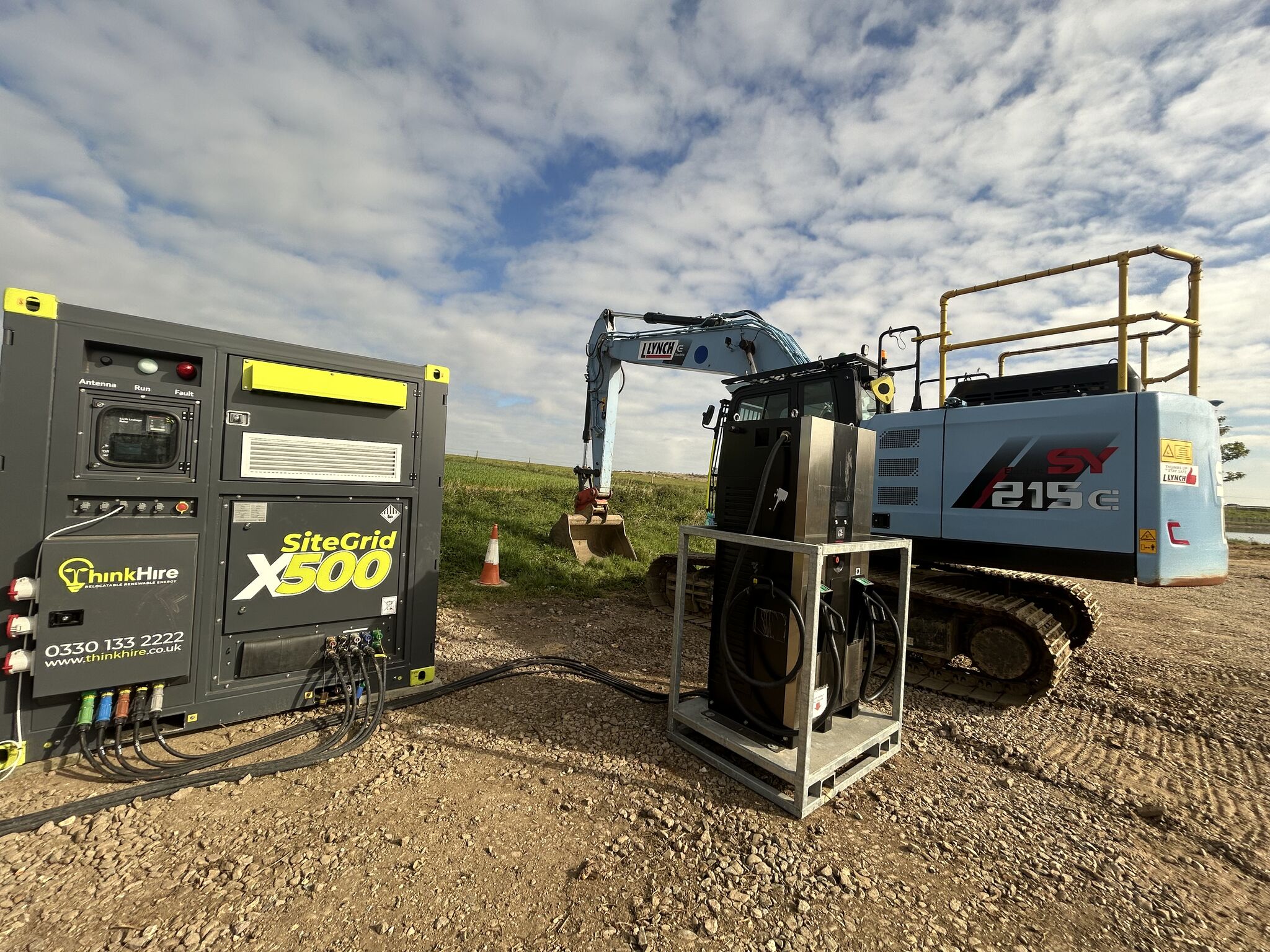
In a world of rechargeable devices, from our phones to our smart watches, we’re all aware of the need for regular charging and the time you need to allow for this. So it’s only natural to wonder how long battery energy storage systems take to charge on your construction site?
In this article, we’ll look at typical charging times for different-sized battery energy storage systems. We’ll also explain how Think Hire’s smart energy management helps you to maintain consistent, reliable power from your BESS, so you can switch to renewable energy with confidence, knowing that you’ll never run out of power.
Normally, battery energy storage systems take between 2 and 5 hours to charge, depending on the size of the battery and the power of the charging system.
Here at Think Hire, we know how important rapid charging is to our customers, so we have designed every Industrial SiteGrid from 102kWh to 676kWh to charge in around 2hours.
Of course, battery energy storage systems are rarely run until they are completely empty, so they will not need the full charging time listed. It is much more efficient to use an energy management system to balance BESS, generator and sustainable energy outputs. This keeps the system ‘topped-up’ rather than regularly running the battery dry.
The times quoted above show a range for each size of battery energy storage system. This is because the actual charging time will vary depending on a number of different factors:
Input power – the larger the input power, the faster the battery will charge
Power source – constant grid or generator input will charge faster than variable solar or wind energy
Battery temperature – if the battery energy storage system is too hot or too cold, it will not charge as fast
Battery chemistry – lithium ion batteries charge faster than other battery types
The rate of charge will also depend on the simultaneous usage of your battery energy storage system. If energy is being drawn from the BESS, it will naturally take longer to reach full charge, and if power is drawn as fast as it is being added, it will not charge at all.
While there is a limit on how fast you can charge a battery energy storage system, there are several ways you can speed it up and avoid lengthy charge times. Most of these are done automatically by the built-in Think Hire energy management systems, and some require planning on site. You can speed up BESS charging by:
Choosing the right power source – the higher the power input, the faster the charge will be
Reducing load while charging – switching off heavy equipment during charge periods
Charging during low demand – avoiding periods where heavy equipment is used, or other high demand activities, for example, charging overnight
Charging during high availability – maximising solar energy during daylight hours to charge the battery ready for overnight use
Maintaining battery temperature – heating or cooling the battery to the optimal level
Smart switching – switching between renewables and generators or the grid to maintain consistent power input
Monitoring battery performance – checking connections, controls and battery health
Attempting to charge your battery energy storage system too fast risks damage to the battery, excess heat and fire risks, and will reduce the lifespan of the battery. This is why all Think Hire BESS come with integrated energy management systems to ensure safe, reliable, long-lasting performance that you can count on to power your site.
If you are ready to make the switch to sustainable energy, using battery energy storage systems, combined with solar energy from our industry leading Solartainer Versatile, get in touch with Think Hire today. Our team will be happy to explain further how our battery energy storage systems can manage your power efficiently, environmentally and cost-effectively on site.
Speak to us today by filling in the form below