BESS Battery Storage Units: Reliable Power for Remote Sites
Date: 02/03/26
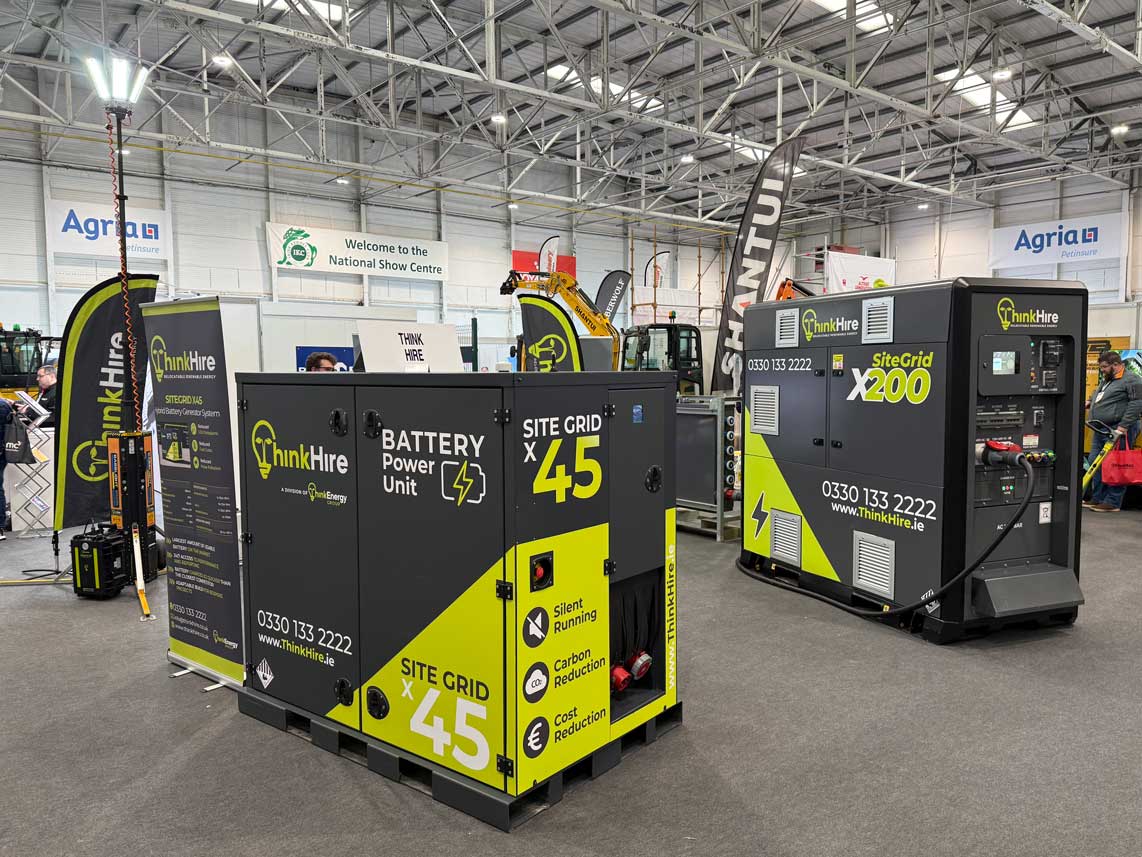
Delivering dependable power in remote locations can be a real challenge. Traditional solutions, involving diesel generators, can be both costly and environmentally damaging. But how can you provide reliable off grid power while still benefiting from the cost savings and environmental benefits of renewable energy?
The answer is battery energy storage systems, or BESS.
But what is a BESS, how does a BESS differ from a standard battery, and what are the benefits of BESSs for remote sites?
What is a BESS?
A battery energy storage system stores energy when there is an excess, such as during the day from solar power, or when it is cheap, such as low tariff periods, and then releases it when demand, or prices, are higher.
A BESS is essentially a sophisticated battery, used for storing electrical energy, but it is also much more than that. A BESS comprises:
-
A lithium ion battery bank
-
Power converters (DC to AC)
-
A sophisticated energy management system
How Does a BESS Work?
A BESS works by storing excess energy for later use. Think Hire battery energy storage systems come complete with Think Energy Panorama as standard, which manages charging, discharge and distribution for optimal performance. Think Energy Panorama also monitors the system 24/7 to detect, and even predict, faults and provide prompt fixes to minimise downtime on site.
When combined with renewable energy generators, such as the Solartainer Versatile, BESS can be configured to deliver sustainable power 24 hours a day, even during darker winter months. In this way, battery energy storage systems can convert intermittent renewable energy into a consistent power source.
The Advantages of BESS for Off-Grid Projects
Battery energy storage systems help remote sites in a number of ways, including:
-
Delivering dependable power anywhere – BESS can be deployed wherever they are needed, providing off grid power to even the most remote locations.
-
Integrating renewable energy – allowing use of sustainable sources, such as solar power, which are not always available at a consistent rate.
-
Levelling out demand – BESS can help to even out energy demands by using smart technology for peak shaving and load sharing, reducing the need for larger diesel back-up generators to cope with start-up surges.
-
Saving money – by using a BESS for remote site power, you can significantly reduce your fuel requirements for diesel generators.
-
Reducing emissions – even when not combined with renewable generation, BESS will facilitate less diesel generator run time, resulting in lower emissions. When combined with renewable generation, they can cut emissions to virtually zero.
How Much Power Can a BESS Deliver?
Battery energy storage systems can deliver whatever power you need, wherever you need it, even in the most remote and off grid locations. Think Hire offers a complete range of BESS for hire to suit all sizes of site and all levels of energy demand, from 125kWh to 564kWh and 250kVA to 625kVA peak power. These can also be linked together to further scale up your system.
The Think Hire BESS range comprises:
-
SiteGrid X100 – 125kWh capacity / 100kVA nominal / 250kVA peak power
-
SiteGrid X200 – 188kWh capacity / 200kVA nominal / 250kVA peak power
-
SiteGrid X200+ – 188kWh capacity / 200kVA nominal / 564kVA peak power
-
SiteGrid X350 – 376kWh capacity / 350kVA nominal / 625kVA peak power
-
SiteGrid X500 – 564kWh capacity / 500kVA nominal / 625kVA peak power
Hire a BESS today and power your remote site dependably and cost-effectively
To find out more about BESS from Think Hire, download our BESS Guide today, or contact our friendly team for more details. We’ll show you how BESS can deliver dependable power where you need it, while also delivering significant savings and environmental benefits too.
Frequently Asked Questions
BESS stands for Battery Energy Storage System. This is a rechargeable battery system that stores energy, such as renewable generation, for later use. BESS also include intelligent energy management to control charging and discharging.
They can, but they are most effective when combined with a hybrid generator system that combines both renewables and a back-up diesel generator. The BESS will dramatically reduce the diesel generator run time, cutting operating costs significantly.
BESS can save money in several ways. Where they are combined with hybrid power generation, they can cut diesel generator runtime substantially. Where linked to the grid, they allow operators to maximise use of low tariff supply times.
Yes. BESS are especially suitable for off grid and remote sites as they allow operators to deploy reliable power wherever it is needed.
Download the Think Hire Brochure
We have over 60 years combined experience in the design, manufacture, hire and sale of innovative products, with an environmentally considerate power supply.